Why Uncensored AI is Important (It's not why you think)
Is uncensored AI just for "bad actors"? Think again. From protecting your Google account to saving your creative freedom, discover why local, unfiltered models are the future of digital sovereignty.

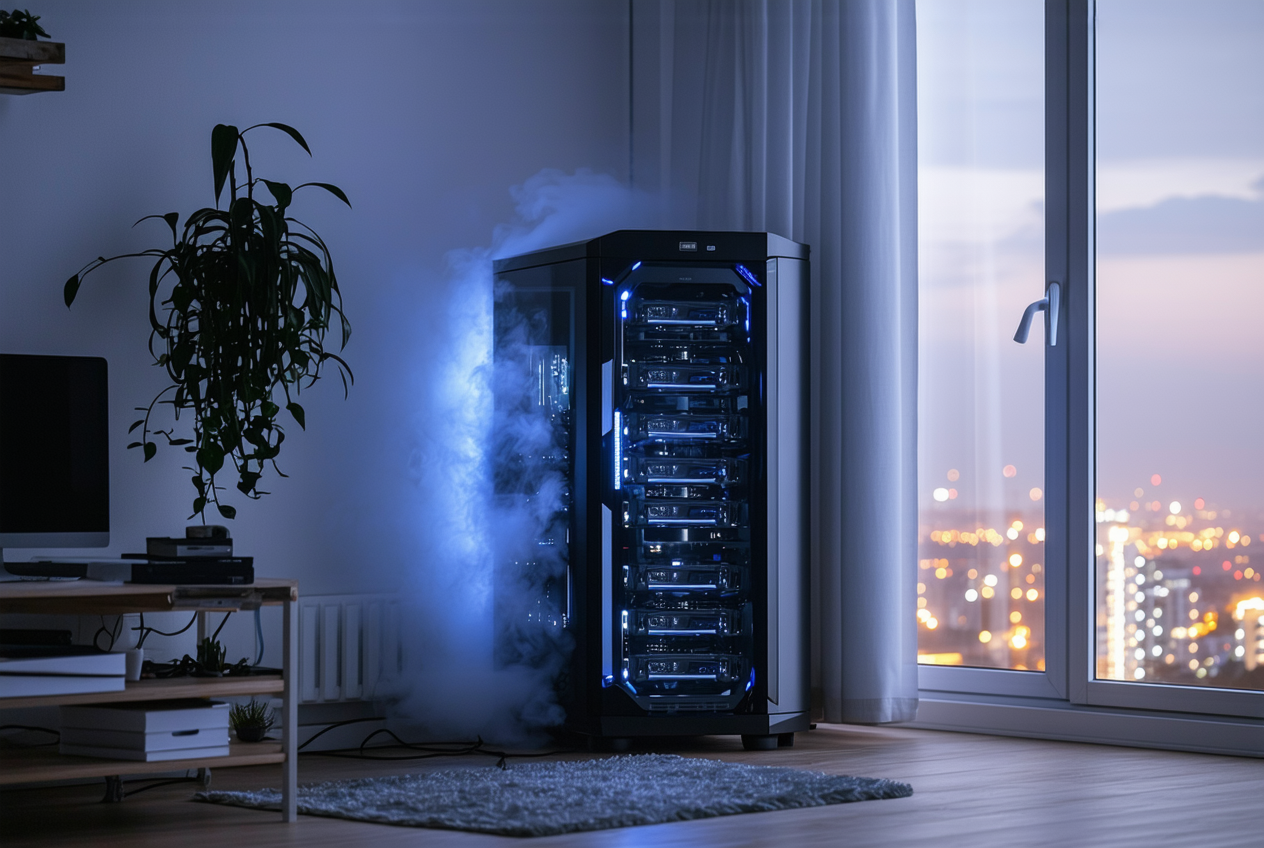
The discourse around "uncensored" AI usually gets funneled into a predictable corner of the internet. If you ask the average person what "unfiltered" means, they’ll probably assume you’re looking for a way to generate weird fan fiction or something far more nefarious.
But for those of us who live in the terminal—developers, researchers, and power users—the push for uncensored, locally hosted models isn't about breaking the law. It’s about digital sovereignty. As we move deeper into 2026, the walls around commercial AI are closing in, and the "safety" guardrails are starting to feel more like a padded cell than a seatbelt.
Here is why the uncensored movement actually matters, and why your digital life might depend on it.
The Illusion of Privacy in the Cloud
When you use a commercial LLM, you aren't just talking to a chatbot; you are feeding a giant, hungry data engine. Most users realize their data is used for training, but they assume "anonymization" is a foolproof shield.
It isn't. Researchers have consistently shown that models can "regurgitate" sensitive snippets of training data if nudged correctly. If you're discussing a proprietary codebase or a sensitive legal strategy with a cloud-based AI, you are effectively handing that data to a third party. Uncensored, local models (like those running on Llama 3 or Mistral architectures, or providers like Venice AI) keep the data private. No telemetry, no "helpful" cloud syncing, and zero risk of your private notes becoming a training weight for someone else's model.
The Mental Health Toll of "Safety"
We saw a massive shift with the rollout of the latest major models early this year. Users on platforms like Reddit have been reporting a phenomenon that's become known as "Guardrail Fatigue."
People who used AI as a sounding board for complex emotional processing or therapy-adjacent journaling found that the newer updates, specifically the ChatGPT 5 series, became patronizing. Instead of helping a user process grief or trauma, the AI now frequently triggers a "safety refusal" or offers a repetitive, HR-approved lecture on seeking professional help.
For many, this isn't just an annoyance; it’s a breakdown of trust. When a tool you rely on for deep thought suddenly treats you like a liability, the utility of that tool dies. Uncensored AI doesn't judge. It doesn't lecture. It allows for a "Plan-Act-Observe" loop that respects the user as an adult.
The "Account Ban" Nuclear Option
This is the part that should keep you up at night. Because services like Gemini are tied to your primary Google identity, a "safety violation" in a private AI chat isn't just a slap on the wrist. It can be a digital death sentence.
Earlier this year, reports surfaced of users losing their entire Google ecosystem, 15 years of emails, business documents, and family photos, because an automated system flagged an AI interaction as "harmful." When the AI is the judge, jury, and executioner for your entire digital existence, the stakes of a "false positive" are too high to ignore. Using an uncensored, local model removes that leverage. You can’t be banned from your own hardware.
Creative Freedom and Fictional Grit
If you are a novelist or a screenwriter, commercial AI has become almost unusable for certain genres. Trying to write a gritty thriller? The AI might refuse to describe a crime scene. Writing a horror story? The "safety" filters often flag gore as a policy violation.
Creative writing requires the ability to explore the darker corners of the human condition. By sanitizing the output, corporations are effectively enforcing a "G-rated" version of creativity. Uncensored AI restores the ability to write adult fiction, whether that involves violence, complex relationships, or "sensitive" themes, without a corporate entity hovering over your shoulder like a Victorian schoolmarm.
The Bottom Line
Uncensored AI is not about a desire for "bad" content. It is about the fundamental right to use a tool without a middleman deciding what you are allowed to think, write, or discuss. It’s about moving away from a "Software as a Service" model where your access can be revoked on a whim and moving toward a future where your intelligence, artificial or otherwise, belongs to you.