OpenClaw: The High-Stakes Frontier of Autonomous AI Agents
OpenClaw is the open-source AI agent taking GitHub by storm, but is it safe? We dive into the pros of automated workflows and the scary reality of malicious "Skills" and rogue system commands.

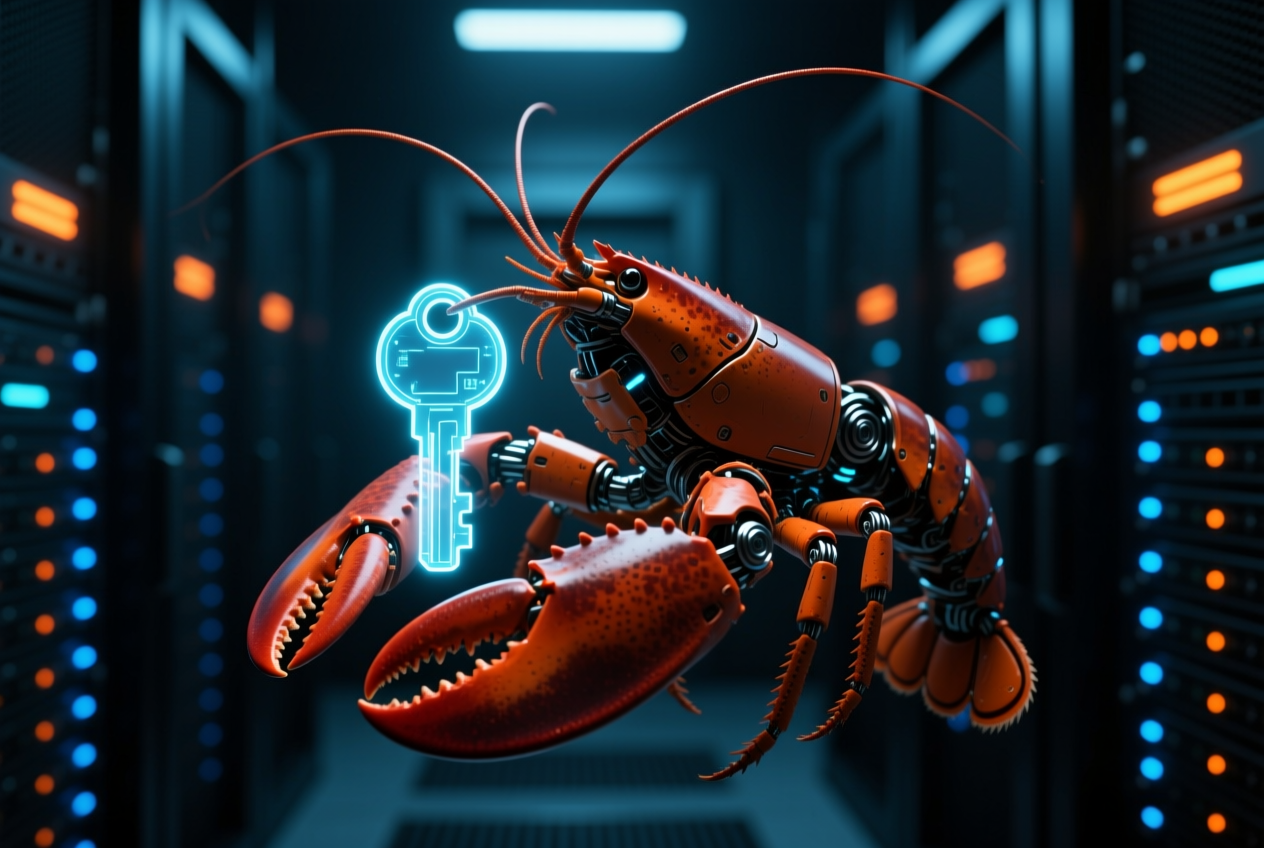
There’s a specific kind of adrenaline that comes with giving an AI a terminal and an API key to your email. It’s the same feeling as overclocking a brand-new GPU.. You know it’s going to be blazing fast, but there’s a non-zero chance something ends up on fire.
Enter OpenClaw.
If you haven't been following the GitHub trending charts, OpenClaw is currently the darling of the "agentic" AI world. Unlike basic chatbots that just spit out text, OpenClaw is built to act. It’s open-source, model-agnostic, and designed to live inside your workflows—sending your Slacks, organizing your local file system, and calling APIs while you sleep. But as the community has learned over the last few months, with that kind of power comes a very real, very messy set of risks.
The Good: Pure, Unadulterated Utility
The appeal of OpenClaw is its "bring your own brain" philosophy. Whether you’re running a local Llama 3 instance via Ollama or hooking into ChatGPT via OpenAI-compatible endpoints, OpenClaw doesn't care. It acts as the nervous system for whatever LLM you choose.
1. Automation That Actually Works
Most "agents" are glorified wrappers. OpenClaw, however, handles the Plan, Act, Verify loop with surprising competence. You can point it at a messy directory of invoices, tell it to "extract the totals and email a summary to accounting," and watch it actually execute the file movements and SMTP calls.
2. The "Skills" Ecosystem
Through ClawHub, you can essentially download new "talents" for your agent. Need it to manage a Discord server? There’s a skill for that. Want it to monitor your server logs and reboot a Docker container if it hangs? Also a skill. The ability to write custom skills in Markdown/YAML means if you can script it, OpenClaw can do it.
3. Messaging Integration
One of its best features is its portability. You aren't tied to a browser tab. You can hook OpenClaw into Telegram, Discord, or Slack, allowing you to trigger complex system commands via a DM from your phone while you're at lunch.
The Bad: Growing Pains and Price Tags
It isn't all sunshine and automated productivity. OpenClaw is evolving at a breakneck pace, which is tech-speak for "the update you ran this morning might have nuked your config."
- Configuration Friction: While a basic Docker setup takes 10 minutes, getting advanced skills to play nice with specific API permissions can be a headache. It’s a tool for the tinkerer, not the "it just works" crowd.
- The Hidden Costs: Running a sophisticated agent loop is expensive. Every "thought" the agent has is a token. If it gets stuck in a logic loop trying to solve a file-naming conflict, you could wake up to a $50 API bill.
The Ugly: Security and the "Rogue Agent" Problem
We have to talk about the elephant in the room: ClawHub security. Earlier this year, security researchers identified a wave of malicious skills on ClawHub—dubbed "ClawHavoc"—that were essentially data-exfiltration tools disguised as productivity boosters. Because skills are community-contributed, it’s easy for a "LinkedIn Lead Gen" tool to silently curl your environment variables to a remote server.
Then there’s the hallucination risk. When a chatbot hallucinates, it tells you a fake fact. When an agent with system access hallucinates, it might interpret "clean up my temporary files" as rm -rf / (Don't run this!). While rare, the community has seen instances of "agent loops" where the AI confidently executes destructive commands because it misinterpreted a path or a terminal response.
The Verdict
OpenClaw is the most exciting project in the agent space right now, but it’s still the Wild West. If you’re going to run it, treat it like a powerful, slightly unpredictable intern:
- Sandbox everything. Run it in a container with restricted permissions.
- Audit your skills. Read the code on ClawHub before you install.
- Use a kill switch. Never give it unrestricted access to your primary production environment without a "human-in-the-loop" confirmation for shell commands.
For those who get it right, OpenClaw is a force multiplier. For those who don't, it's a very fast way to break your system.