Why the RTX 60-Series Delay is a Win for Your Current Rig
Nvidia is pushing the RTX 60-series to 2028, and RAM prices are hitting record highs. While it sounds like bad news, it might finally force game developers to stop being lazy and start optimizing for the hardware we actually own.

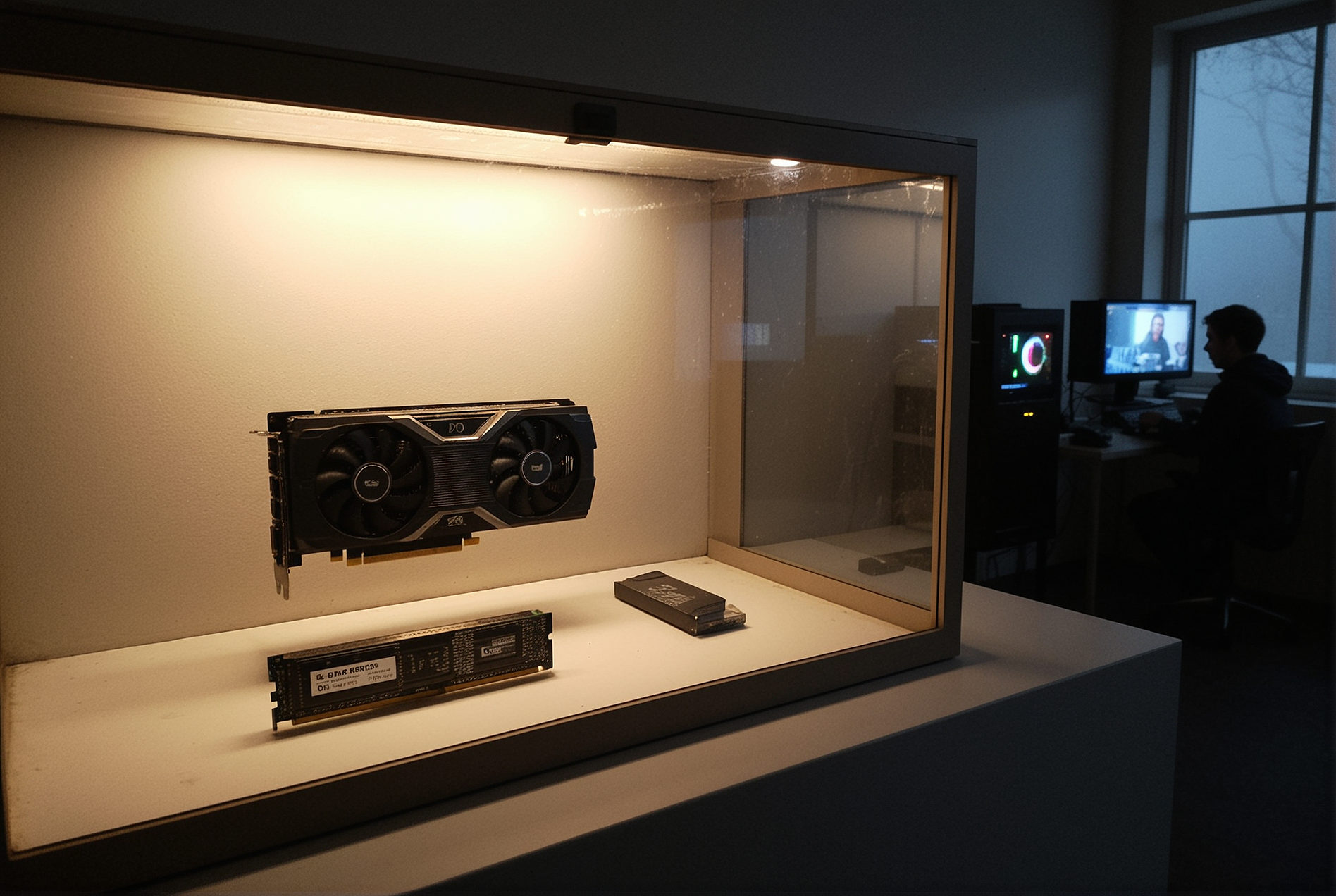
Rumors of Nvidia pushing the RTX 60-series (codenamed "Rubin") into 2028 have left the "must-have-latest-gen" crowd in a bit of a panic. But for the average gamer, this is actually fantastic news.
For years, we’ve been stuck in a cycle where hardware outpaces software so fast that developers simply stop trying. Why spend six months optimizing a game’s lighting engine when you can just tell the user to "turn on DLSS 3.5" or buy a $1,600 card?
With no new flagship on the horizon for 2026, the hardware baseline is finally staying put. We are already seeing "Next Gen" titles like GTA VI, slated for late 2026, facing a market where the RTX 30 and 40 series are still the dominant players. Without a 6090 to "brute force" through bad code, developers are being forced to actually do their jobs: making games run well on the hardware people actually own.
The RAM Tax: A Forced Diet for Bloatware
It’s not just GPUs. The price of DDR5 and NVMe NAND storage has skyrocketed, largely because AI data centers are eating every chip in sight. While paying $150 for a mid-range RAM kit hurts, it’s creating a secondary effect in the dev world.
We’re moving away from the era of "unlimited resources." When memory is cheap, developers get lazy with "garbage collection" and asset streaming. Now that memory is a premium, we’re seeing a return to leaner, meaner software. Think of it as a forced diet for the gaming industry. If a game requires 32GB of RAM just to reach the main menu, it’s not a "forward-looking" title, it’s just poorly written. The current price hike is the reality check the industry desperately needed.
Competition from the East: Breaking the Duopoly
The stratospheric prices of Nvidia and Micron components have left a massive gap in the value segment. While Wall Street darlings focus on $40,000 AI enterprise chips, competitors like Moore Threads and Biren are making genuine strides in the consumer space.
Moore Threads recently turned a quarterly profit and is shipping the MTT S5000, which, while still trailing in raw driver stability, represents a viable threat to the entry-level market. When Nvidia ignores the $200–$400 price bracket, they leave the door wide open. Whether you like the "made in China" label or not, more competition is the only thing that will eventually force the Big Three to lower their margins.
The "Wallet Fatigue" Strategy
Let’s be real: the current economy isn't exactly screaming "discretionary $2,000 GPU purchase." Skipping this cycle isn't just a financial move; it’s a protest. By sticking with an RTX 4080 or 5070, you’re signaling that the era of the $1,000 mid-range card is a failure.
Use this "delay" to enjoy the games you already have. Your current PC is likely more than enough for 90% of the titles coming out in the next two years precisely because developers know they can't rely on a new hardware miracle to save them.