The Long Game: Why Raspberry Pi 6 is Staying "Dumb" to Stay Smart
The Raspberry Pi 6 is officially aimed for a 2028 release, and it’s skipping the NPU trend. Discover why Eben Upton is prioritizing modularity and affordability over the AI hype.

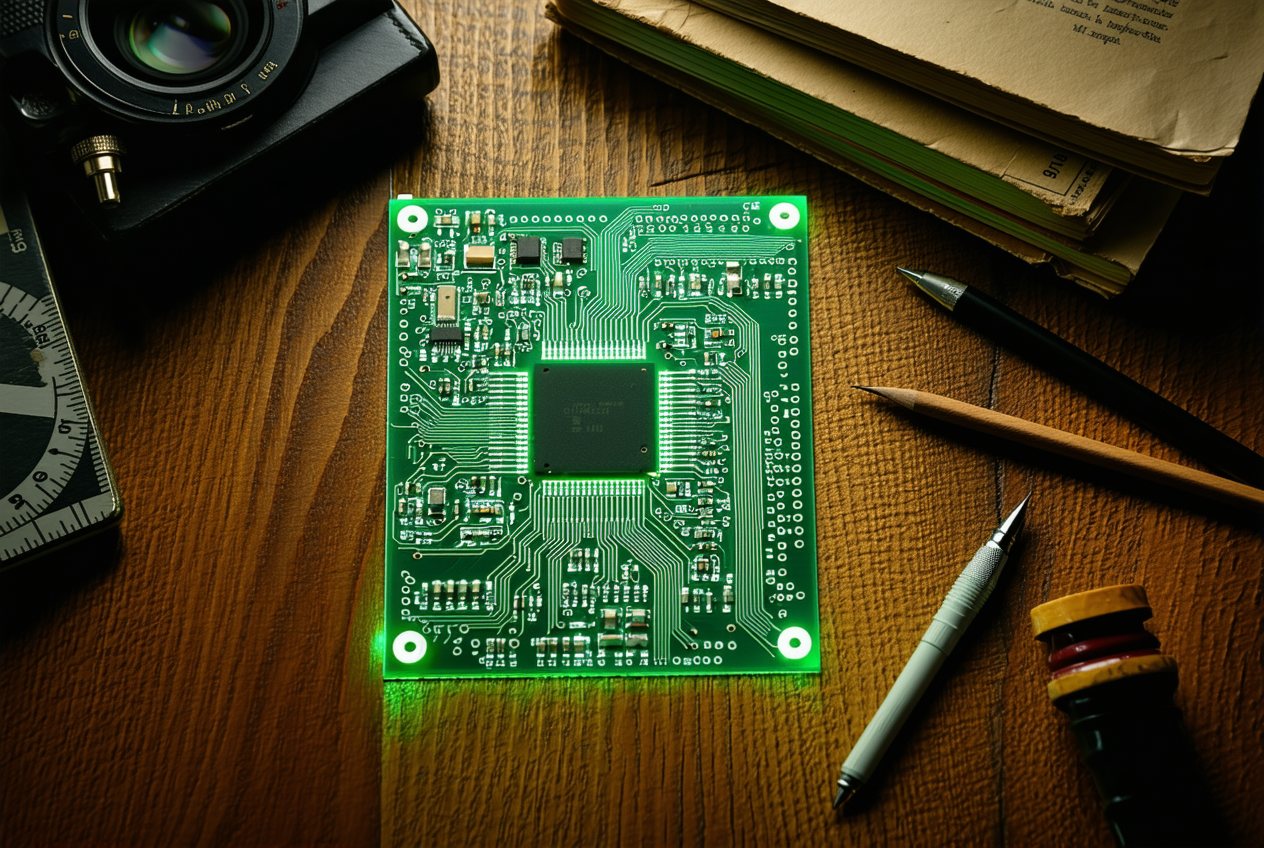
If you were hoping for a Raspberry Pi 6 to drop under your tree anytime soon, I have some bad news. According to recent comments from Eben Upton and the engineering team at Raspberry Pi Ltd, we aren't likely to see a successor to the Pi 5 until early 2028.
For those of us used to the rapid-fire upgrade cycles of smartphones or even the slightly more relaxed pace of GPUs, a four-to-five-year wait feels like an eternity. But there is a method to the madness. The team is leaning into a "quantitative over qualitative" philosophy, focusing on refining what works rather than chasing every Silicon Valley trend.
The NPU Elephant in the Room
The biggest headline coming out of recent forums and AMAs is the lack of a built-in Neural Processing Unit (NPU). In a world where every chipmaker from Intel to Qualcomm is shouting about "AI PCs," Raspberry Pi is intentionally opting out.
Upton has been vocal about his skepticism regarding the "AI glaze" currently being applied to hardware. The logic is simple: an NPU takes up valuable silicon real estate and drives up the cost for everyone, even though only a fraction of users actually need it for their specific projects. Instead of baking it into the chip, the strategy remains modular. If you want AI, you buy the AI Kit (powered by Hailo). If you don't, you aren't paying the "AI tax" for a feature that would otherwise sit idle while you're just trying to run a Pi-hole or a retro-gaming rig.
What Actually Changes?
So, if we aren't getting an AI-accelerated superbrain, what are we getting in 2028? The Pi 6 is being framed as an evolution of the Pi 5's architecture.
- Faster Compute: We are likely looking at a move to the ARM Cortex-A78 or similar, targeting clock speeds around 3.0 GHz.
- Memory Bandwidth: Expect a jump to LPDDR5. This is critical because, as many users on Reddit have noted, memory bottlenecks are often the real culprit behind performance stutters in heavy Linux desktop environments.
- I/O Refinement: While the team has hinted they won't add an M.2 slot directly to the board (to keep the footprint small and the cost down), we can expect better implementation of the PCIe interface to make NVMe booting more seamless than the current HAT-reliant setup.
The "Education-First" Identity
There’s a clear shift in how the Foundation views its flagship product. While the industrial sector now accounts for 80% of their business, the design philosophy is pivoting back to their roots: the "accidental engineer."
The Pi 6 isn't trying to compete with a Mac Mini or a high-end Orange Pi. It is being designed as a transparent, programmable machine for a world where technology is becoming increasingly locked down. The goal for the 2028 model is to provide a "clean" environment where a student can still "mess about" with the hardware without layers of proprietary AI middleware getting in the way.
Why the Delay?
It isn't just about design choice; it's about the bottom line. Recent reports show that DRAM costs have spiked significantly. Launching a new board in the current economic climate would force a price point that alienates the very hobbyists and schools the Pi was built for. By pushing the Pi 6 to 2028, the team is betting on the market stabilizing and the Pi 5 maturing into a more affordable, accessible entry point.
For now, the Pi 5 remains the king of the hill, and honestly, with 16GB models and active cooling becoming the norm, it has plenty of life left in it.