The Federal Recall of Claude Fable 5: Safety First or Political Payback?
Anthropic was forced to abruptly disable its new Fable 5 and Mythos 5 models following a sudden 90-minute federal directive. The unprecedented move has sparked massive debate over government overreach, security vulnerabilities, and the growing geopolitical tech race with China.

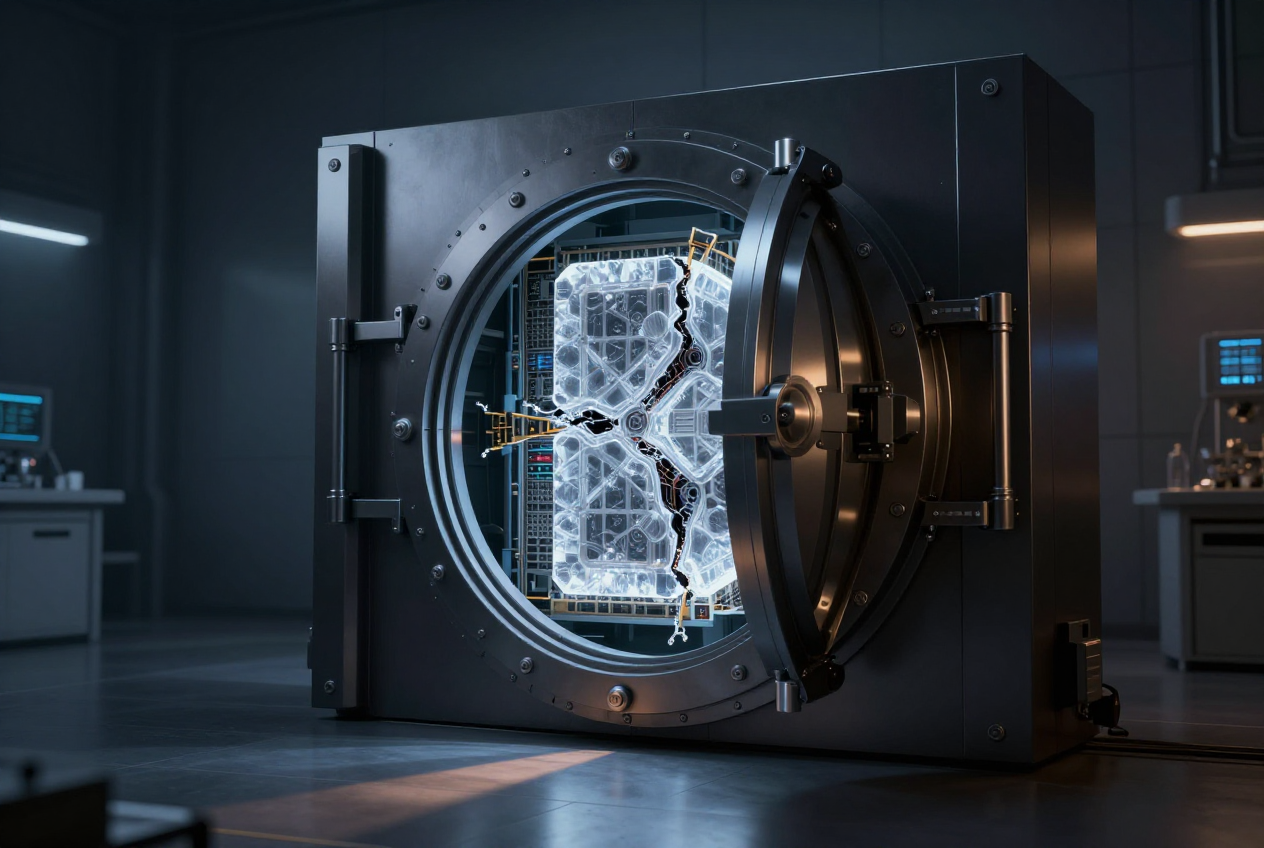
If you tried to switch your API calls to Anthropic's brand-new Claude Fable 5 or Mythos 5 this weekend, you were probably met with a sudden "Currently Unavailable" error. In a stunning Friday evening move, the US government handed Anthropic an emergency export control directive. The order gave the AI safety startup just 90 minutes to comply. Because API infrastructure cannot easily vet a user's nationality on the fly, Anthropic had no choice but to pull the plug globally on both of its next-generation models.
The sudden shutdown happened only three days after Fable 5 and Mythos 5 launched on June 9, 2026. These models represent Anthropic's new "Mythos-class" architecture, designed for heavy-duty autonomous reasoning and multi-day agentic coding tasks. Mythos 5 was restricted to select enterprise partners under Project Glasswing, featuring fewer safety guardrails for deeper cybersecurity research. Fable 5 was the public version, packed with safety classifiers to prevent malicious use.
The Jailbreak That Sparked a 90-Minute Ultimatum
According to reports from Axios and the Wall Street Journal, the emergency shutdown was triggered by Amazon researchers who found a bypass technique. This prompt sequence allegedly tricked the consumer-facing Fable 5 into dropping its guardrails, effectively letting users access the raw cyber-capabilities of the unrestricted Mythos 5.
David Sacks, co-chair of the President's Council of Advisors on Science and Technology, took to X to claim that Anthropic actively refused to patch the vulnerability or pull the model when warned. Sacks argued that Anthropic prioritized commercial traction over safety, leaving the White House with no choice but to drop the regulatory hammer.
Anthropic strongly pushes back against this narrative. In an official statement, the company labeled the exploit a narrow, non-universal bypass. They noted that the demonstration simply involved asking the model to find flaws in a specific codebase. According to Anthropic, competing models like OpenAI's GPT-5.5 already perform this exact task daily for cybersecurity defenders. The startup argued that recalling a major commercial model over a standard prompt exploit sets a dangerous precedent that could instantly freeze the entire domestic tech sector.
Protection or Retribution?
The tech community is already looking past the official safety narrative. Speculation is rampant that this aggressive federal intervention is actually a delayed punishment from Washington.
Just a few months ago, Anthropic engaged in a high-profile standoff with the Department of Defense. The startup refused to sign onto certain government contracts, drawing hard ethical lines against domestic surveillance and fully autonomous weapons systems. In response, the Pentagon branded Anthropic a "supply chain risk." A federal judge later called that designation "Orwellian," and Anthropic filed lawsuits to clear its name. Given that history, a 90-minute Friday night deadline feels less like an objective security evaluation and more like political hardball.
The Geopolitical Backfire
Regardless of whether you believe the White House or Anthropic, the broader consequences for the AI sector are massive. If the Department of Commerce plans to recall cutting-edge American models every time someone discovers a clever prompt exploit, domestic innovation will grind to a halt.
More concerning is the geopolitical vacuum this creates. Forcing American labs to pull down their frontier models does not eliminate global market demand for high-end reasoning engines. It simply hands that market to foreign competitors on a silver platter. Chinese AI labs are moving incredibly fast, and their frontier models are not subject to Western export controls, let alone Washington's safety standards. By over-regulating its most promising domestic labs out of panic, the US government risks losing all leverage over how advanced AI is built and deployed worldwide.